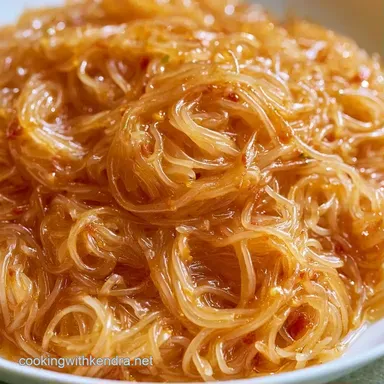
Vegan Asian Noodle Bowl: Savory and Vibrant
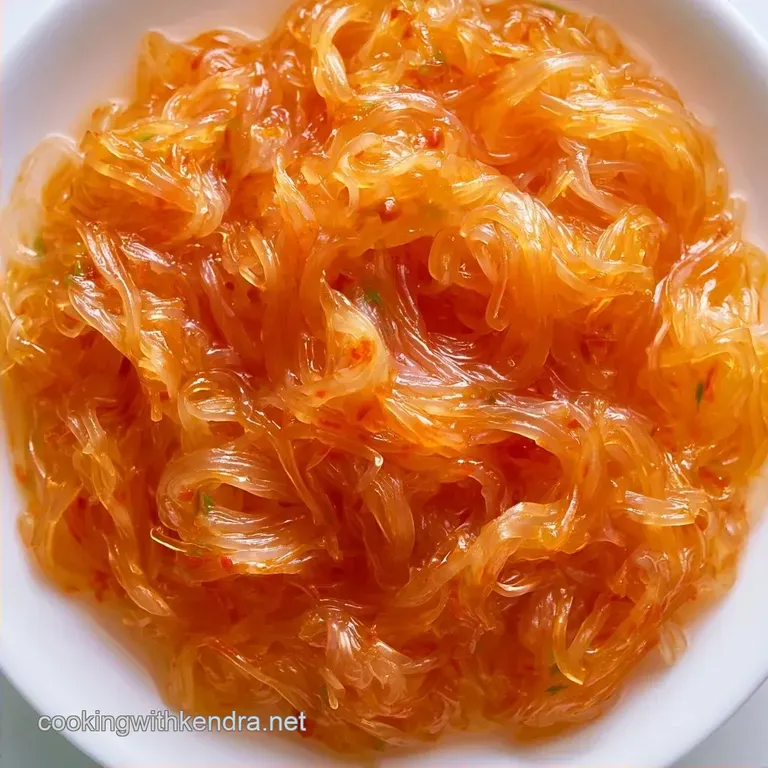
- Time: 10 min prep + 5 min cook = Total 15 minutes
- Flavor/Texture Hook: Velvety glaze with a snap of charred broccoli
- Perfect for: A frantic Tuesday night when you need a nutritious win
- Simple Vegan Asian Noodle Dish
- The Glue That Holds It Together
- The Essential Component Analysis
- The Building Blocks
- Step-by-Step Cooking Guide
- Fixing Common Noodle Issues
- Fresh Flavor Twists
- Adjustment Guidelines
- Truths About Vegan Noodles
- Freshness and Waste Tips
- Best Side Pairings
- Critical Sodium Level
- Recipe FAQs
- 📝 Recipe Card
That first sizzle when the garlic and ginger hit the shimmering oil is everything. It's that specific, sharp aroma that tells you the kitchen is about to smell like a professional street food stall.
I remember the first time I tried to make this, I used brown sugar instead of maple syrup, and the sauce felt clumpy, almost grainy. It didn't have that sleek, mirror like finish that makes you want to eat it straight from the pan.
The real secret here is the maple syrup. While sugar just adds sweetness, maple syrup provides a subtle, woody depth and helps the sauce emulsify into a velvety coating. In this Vegan Asian Noodle Dish, the contrast is what makes it work: the rich, salty soy sauce hits against the bright pop of rice vinegar, and the tender rice noodles provide a soft base for the charred, slightly bitter broccoli.
You can expect a meal that feels light but leaves you feeling full. It's all about that balance of textures, from the crunch of the bell pepper to the silky slide of the noodles. If you're looking for something that takes less time than ordering takeout but tastes like a conscious choice, this is it.
Simple Vegan Asian Noodle Dish
The magic happens in the pan, but the success is decided in the prep. Because this comes together in just 5 minutes of actual cooking, you can't be chopping your carrots while the garlic is already burning. You need everything in little bowls, ready to fly into the wok.
I've found that using a wide skillet is better than a deep pot because it gives the vegetables more surface area to touch the heat. This is how you get those little charred edges on the broccoli that add a smoky layer to the dish.
It's the difference between vegetables that are just "cooked" and vegetables that actually bring something to the table.
The Glue That Holds It Together
The reason this Vegan Asian Noodle Dish doesn't end up as a puddle of soup at the bottom of the bowl comes down to a few simple mechanical tricks.
- Starch Suspension: Adding a splash of reserved noodle water introduces gelatinized starches back into the pan. This acts as a binder, turning a thin liquid into a glossy glaze.
- Aromatic Infusion: Heating garlic and ginger in oil first "blooms" the flavors. The fat carries the fat soluble compounds of the aromatics throughout the entire dish.
- Residual Heat: Draining noodles 1 minute early prevents them from overcooking during the final toss. They finish cooking in the sauce, absorbing flavor rather than just being coated by it.
- Acid Balance: The rice vinegar cuts through the richness of the sesame oil. This creates a bright contrast that prevents the dish from tasting "flat" or overly salty.
Right then, if you're curious about how to build more complex flavors, you might enjoy the depth found in my UmamiPacked XO Sauce Recipe, which uses a similar logic of layering fats and acids.
Cooking Method Comparison
Depending on your mood, you might want a different vibe. While the stovetop is the standard for this dish, some people prefer a hands off approach for the veg.
| Method | Time | Texture | Best For |
|---|---|---|---|
| Stovetop Wok | 5 mins | Charred & Crisp | Maximum flavor, fast turn around |
| Sheet Pan Roast | 20 mins | Tender & Sweet | Large batches, less active work |
| Steam & Toss | 12 mins | Soft & Fresh | Health focused, less oil |
The Essential Component Analysis
Not all ingredients are created equal. Here is why we use these specific ones and the secret to getting them right.
| Ingredient | Science Role | Pro Secret |
|---|---|---|
| Rice Noodles | Base Carb | Soak in warm water first to reduce boil time |
| Maple Syrup | Glazing Agent | Use Grade A for a cleaner, lighter sweetness |
| Rice Vinegar | pH Balancer | Adds a sharp contrast to the heavy soy notes |
| Reserved Water | Emulsifier | Must be cloudy, not clear, for the best cling |
The Building Blocks
Gather these before you turn on the stove. Trust me, once the oil is shimmering, there's no time to go looking for the sriracha.
For the Umami Sauce
- 3 tbsp low sodium soy sauce Why this? Less salt allows the maple and ginger to shine
- 1 tbsp rice vinegar Why this? Provides a clean, sharp acidity
- 1 tbsp maple syrup Why this? Creates a velvety glaze and deep sweetness
- 1 tsp toasted sesame oil Why this? Adds a nutty, toasted aroma
- 1 tsp sriracha Why this? A hint of heat to wake up the palate
For the Stir Fry
- 8 oz dried rice noodles Why this? gluten-free and absorbs sauce beautifully
- 1 tbsp neutral oil Why this? High smoke point prevents burning
- 3 cloves garlic, minced Why this? Pungent base for the aromatic layer
- 1 tbsp fresh ginger, grated Why this? Adds a zesty, fresh bite
- 2 cups broccoli florets, bite-sized Why this? Holds sauce in the florets
- 1 cup red bell pepper, thinly sliced Why this? Sweetness and a pop of color
- 2 scallions, sliced into 1 inch pieces Why this? Fresh onion finish
- 2 tbsp reserved noodle water Why this? The secret to a glossy sauce
Chef's Tip: To get the most out of your ginger, use a spoon to scrape the skin off rather than a peeler. You'll save more of the flavorful root.
Step-by-step Cooking Guide
Let's crack on. This is a fast process, so keep your movements efficient.
- Prep the Sauce. Whisk together soy sauce, rice vinegar, maple syrup, sesame oil, and sriracha in a small bowl until the syrup is fully dissolved. Note: Dissolving the syrup now prevents "sweet spots" in the final dish.
- Boil the Noodles. Cook the rice noodles according to package directions. Stop 1 minute early until they are just barely tender.
- Save the Liquid. Carefully scoop out 1/4 cup of the starchy noodle cooking water before draining the noodles completely.
- Heat the Pan. Pour neutral oil into a wide skillet or wok over high heat. Wait until the oil is shimmering and just starting to wisps of smoke.
- Bloom Aromatics. Add minced garlic and grated ginger. Stir for 30 seconds until they are pale golden brown and fragrant.
- Sear Vegetables. Toss in broccoli florets and red bell pepper. Sear for 2-3 minutes until the edges are slightly charred but the centers still have a snap.
- Combine Ingredients. Add the drained noodles and the prepared sauce to the skillet.
- The Final Glaze. Pour in the reserved noodle water. Toss vigorously over high heat for 60 seconds until the sauce thickens into a glossy glaze that coats every strand.
Fixing Common Noodle Issues
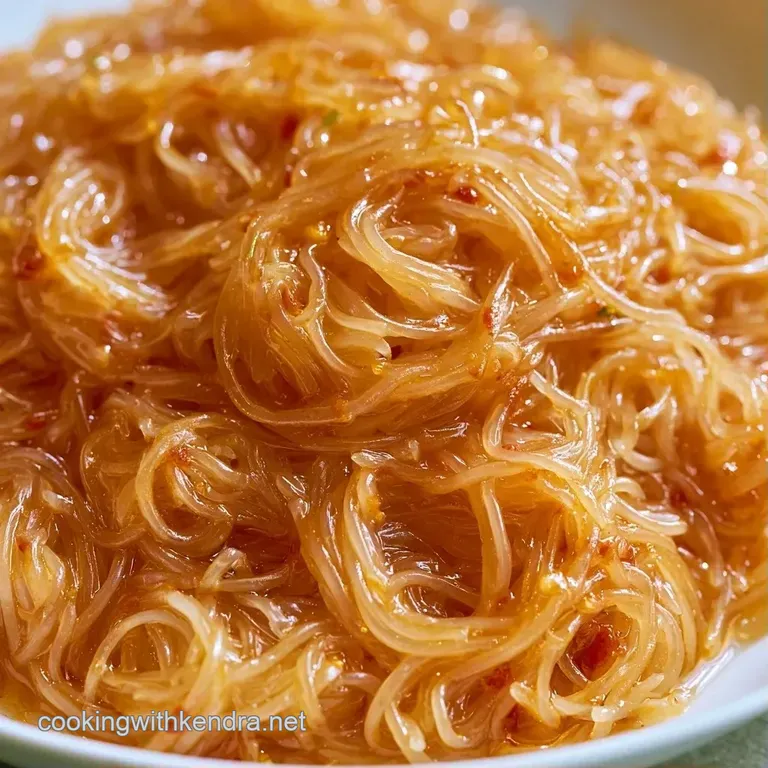
Even a simple Vegan Asian Noodle Dish can go sideways if the heat or timing is off. Most issues stem from moisture management.
Noodle Clumping Issues
If your noodles stick together, it's usually because they were overcooked or sat too long after draining. According to Serious Eats, rice noodles release a lot of starch which acts like glue. If they clump, a tiny splash of oil or a bit more noodle water during the final toss will loosen them up.
Sauce Pooling Problems
When the sauce sits at the bottom instead of clinging to the noodles, you've likely missed the starch step or used too much liquid. Ensure you're using the reserved starchy water and tossing over high heat to evaporate the excess moisture while the starch binds.
Vegetable Mushiness
Overcrowding the pan is the main culprit. If there's too much veg, they steam instead of sear. Work in batches if your pan is small so the broccoli can actually hit the hot metal and char.
| Problem | Root Cause | Solution |
|---|---|---|
| Mushy Noodles | Overboiled | Drain 1 min early; soak instead of boil |
| Bland Sauce | Lack of Acid | Add a teaspoon more rice vinegar |
| Burnt Garlic | Heat too high | Add veg immediately after garlic smells |
Common Mistakes Checklist
- ✓ Did you reserve the noodle water before draining?
- ✓ Is your oil shimmering before adding the garlic?
- ✓ Did you chop everything before turning on the heat?
- ✓ Are the broccoli florets small enough to cook in 3 minutes?
- ✓ Did you toss the noodles on high heat for the final minute?
Fresh Flavor Twists
This Vegan Asian Noodle Dish is a canvas. Once you have the base down, you can shift the profile depending on what's in your fridge.
Protein Packed Bowl
Toss in some extra firm tofu cubes that have been pressed and pan-fried separately. If you want something faster, edamame beans added in the last 2 minutes of cooking add a great pop of green and a hit of protein.
Low Carb Alternatives
If you're looking for healthy rice noodle recipes that are lower in carbs, swap the rice noodles for spiralized zucchini or shirataki noodles. Note: Zucchini releases a lot of water, so skip the reserved noodle water and increase the sauce by 1 tbsp to compensate.
Extra Heat Options
For those who want Vegan Spicy Noodles, double the sriracha and add a teaspoon of red chili flakes during the aromatic bloom. The heat infuses into the oil and distributes evenly.
Nutty and Creamy Texture
Whisk a tablespoon of almond butter or peanut butter into the sauce. This changes the profile from a light glaze to a rich, creamy coat. If you do this, you might need an extra splash of rice vinegar to keep the richness in check. For more ideas on sauce building, check out this Lo Mein Sauce Recipe for a more classic take.
Adjustment Guidelines
Scaling a stir fry isn't as simple as doubling everything, because the surface area of your pan doesn't double.
Scaling Down (1 Serving)
- Use a smaller skillet to keep the heat concentrated.
- Reduce the garlic to 2 cloves.
- Reduce the total cooking time by about 20% to avoid overcooking the smaller amount of veg.
Scaling Up (4+ Servings)
- Do not double the sauce exactly. Start with 1.5x the sauce and add more if needed. Over saucing leads to mushy noodles.
- Work in batches. Sear the broccoli and peppers in two separate rounds, then combine them at the end.
- Lower the heat slightly when adding the noodles to prevent the bottom layer from burning before the top is tossed.
Customization Shortcut
- Want it Tangier? Add an extra teaspoon of rice vinegar.
- Want it Sweeter? Add a drizzle of maple syrup at the very end.
- Want more Umami? Add a dash of mushroom powder or a drop of liquid aminos.
Truths About Vegan Noodles
There are a few misconceptions about plant based stir fries that often lead to disappointing results.
Myth: Rice noodles need to be boiled for a long time. Actually, boiling rice noodles for too long is the fastest way to ruin them. Most only need a brief dip in boiling water or a soak in hot water to become pliable. Overboiling destroys the structure, leading to a mushy Vegan Asian Noodle Dish.
Myth: You need a professional wok to get a sear. While a carbon steel wok is great, any heavy bottomed stainless steel or cast iron skillet will work. The key is the heat and the amount of oil, not the shape of the pan.
Myth: Vegan sauces can't have "depth". People think you need fish sauce or oyster sauce for that savory hit. However, the combination of soy sauce, toasted sesame oil, and a touch of maple syrup creates a complex flavor profile that hits all the same notes.
Freshness and Waste Tips
Since this is a quick meal, it's easy to let scraps go to waste. Let's fix that.
Storage Guidelines Store leftovers in an airtight container in the fridge for up to 3 days. Rice noodles tend to absorb sauce as they sit, so the dish will be thicker the next day.
Reheating Without Mush Avoid the microwave if you can. Instead, toss the noodles in a pan with a tiny bit of water or a drizzle of oil over medium heat. This refreshes the texture and prevents them from becoming a singular, sticky mass.
Zero Waste Hacks
- Broccoli Stems: Don't toss the stems! Peel the woody outer layer, slice the tender core into thin coins, and throw them in with the florets. They have a wonderful, crisp texture.
- Scallion Ends: Save the white parts and roots of the scallions in a freezer bag. Use them the next time you make a vegetable broth or a base for a soup.
- Noodle Water: If you have extra starchy water, use it to thicken a simple vegan gravy or a sauce for steamed greens.
Best Side Pairings
While this Vegan Asian Noodle Dish is a full meal, a few sides can turn it into a feast.
The Perfect Side
A side of smashed cucumber salad with garlic, sesame oil, and a pinch of salt provides a cold, refreshing contrast to the hot, savory noodles. The crispness of the cucumber cleanses the palate between bites.
The Beverage Pairing
A chilled glass of jasmine tea or a sparkling lime water works best. You want something that cuts through the salt and oil without overpowering the delicate ginger and maple notes.
A Lighter Addition
If you want more greens, serve this alongside a simple steamed bok choy drizzled with a bit of the same sauce. According to USDA FoodData, broccoli and bok choy provide an excellent array of vitamins and minerals that make this meal truly nutritious.
Critical Sodium Level
1140 mg 1,140 mg of sodium per serving (50% 50% of daily value)
The American Heart Association recommends a limit of 2,300mg of sodium per day, with an ideal limit of 1,500mg for most adults to reduce the risk of cardiovascular disease.
Tips to Reduce Sodium in Your Stir-Fry
-
Swap Soy for Coconut Aminos-20%
Replace the low-sodium soy sauce with coconut aminos, which typically contains significantly less sodium while maintaining a similar savory profile.
-
Use Fresh Chilies over Sriracha-20%
Substitute sriracha with freshly sliced red chilies or red pepper flakes to provide heat without the added processed sodium.
-
Enhance with Citrus-15%
Increase the rice vinegar or add fresh lime juice to boost the acidity, which tricks the palate into needing less salt for flavor.
-
Add Fresh Herbs
Garnish the finished dish with fresh cilantro or sliced scallions to add aromatic depth and brightness without adding any sodium.
Recipe FAQs
Are rice noodles vegan?
Yes. Most rice noodles are made simply from rice flour and water, making them naturally plant-based.
Is Chow Mein or Lo Mein usually vegan?
No, typically not. These dishes often use egg-based noodles or sauces containing oyster or fish extracts.
Are udon noodles ok for vegans?
Yes, usually. Udon are typically made from wheat flour, though you should always check the label for honey or fish-based additives.
What type of food goes best with rice noodles?
Crispy vegetables and umami-rich sauces. This dish pairs perfectly with a side of sautéed kikurage mushrooms for added texture and depth.
How to prevent rice noodles from sticking or becoming mushy?
Drain the noodles 1 minute early. This ensures they remain al dente and don't overcook when you toss them in the skillet.
How to make the sauce glossy and thick?
Add reserved noodle water. Stirring in 2 tbsp of the starchy cooking water during the final toss creates a professional, glossy glaze.
Is it true that rice noodles must be boiled until fully soft before adding to the pan?
No, this is a common misconception. Boiling them until fully soft usually results in mushy noodles; stopping early preserves the necessary structure for stir-frying.
Vegan Asian Noodle Dish in 15 Minutes