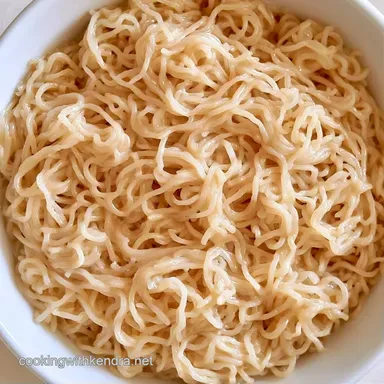
Easy Cold Rice Noodle Pasta: Creamy and Zesty
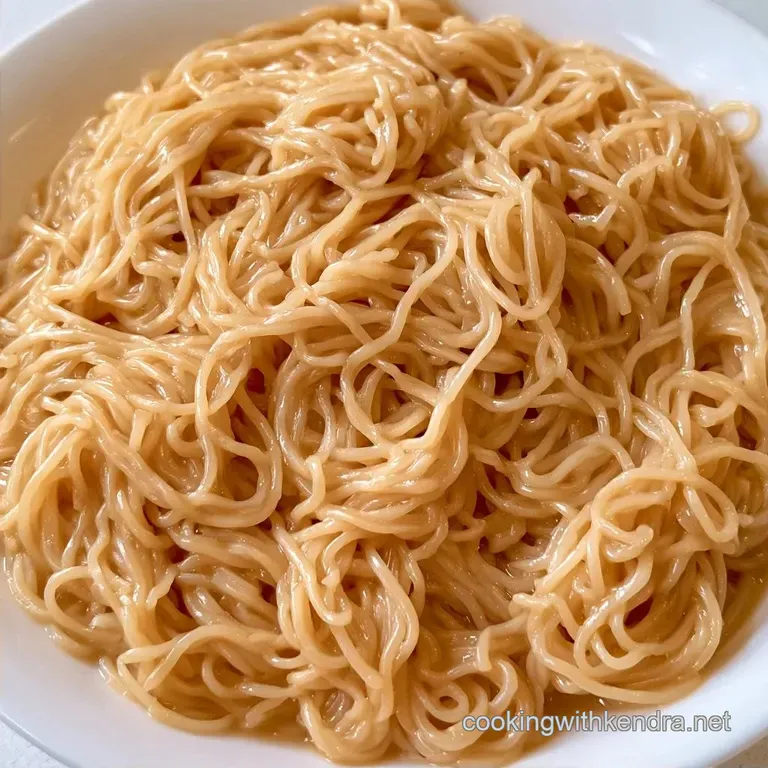
- Time: 10 min prep + 5 min cook = Total 15 minutes
- Flavor/Texture Hook: Velvety tahini creaminess with a sharp, zesty crunch
- Perfect for: over High heat summer lunches, meal prep, or gluten-free dinner guests
The smell of toasted sesame oil hitting a bowl of chilled noodles is, for me, the official scent of July. I remember the first time I tried to make a noodle salad for a potluck, and I totally skipped the rinsing step. I ended up serving what looked and felt like a giant, cold block of rice flavored cement.
It was a disaster, and I’m pretty sure my friends still joke about "the glue noodles" to this day.
Since then, I've obsessed over the texture. I wanted something that felt light but had that rich, satisfying mouthfeel you usually only get from heavy creams. That's where the tahini comes in. It creates this glossy, nutty coating that clings to the noodles without weighing them down.
This Cold Rice Noodle Pasta is all about the contrast. You get the slippery, soft noodles paired with the aggressive crunch of raw cabbage and carrots. It's a dynamic dish that looks stunning on the plate thanks to the vibrant colors, and it tastes even better.
Cold Rice Noodle Pasta
The most important part of this recipe isn't actually the cooking, it's the cooling. Rice noodles are temperamental. If you leave them in the hot water a second too long, they lose their structure. If you don't rinse them, the surface starch stays active, making the dish clumpy.
By shocking them in ice cold water, you lock in that distinct, slippery texture.
I’ve spent a lot of time playing with the dressing ratios. You need enough acidity from the lime and rice vinegar to cut through the fat of the tahini. If it's too rich, it feels heavy. If it's too acidic, the noodles taste sour.
This balance is what makes the Cold Rice Noodle Pasta feel like something you'd order at a high end Asian fusion spot.
Trust me, don't be afraid to over do the fresh herbs. The cilantro adds a brightness that lifts the whole dish. I usually chop mine roughly to keep some larger leaves for visual appeal. When you toss everything together, the colors should pop, creating a visual balance of purple, orange, and green.
The Secret to Non Sticky Noodles
Starch Release: Rice noodles shed a lot of surface starch during the boiling process. Rinsing them with cold water washes away this film, which is the only way to stop them from sticking together.
Tension Balance: The honey and soy sauce in the dressing create a syrupy coating. This allows the sauce to grip the smooth surface of the rice noodles instead of sliding right off to the bottom of the bowl.
Temperature Contrast: Using chilled noodles allows the fresh vegetables to stay crisp. If you add raw cucumbers to hot noodles, they wilt instantly and lose that satisfying snap.
Acidic Cut: The lime juice breaks down the thickness of the tahini. This turns a heavy paste into a velvety dressing that distributes evenly.
| Method | Time | Texture | Best For |
|---|---|---|---|
| Fresh Rinse | 30 seconds | Slippery & Distinct | Maximum quality |
| Quick Drain | 0 seconds | Clumpy & Sticky | Fast snacks (not recommended) |
| Soak Method | 20 minutes | Softer & Chewier | Low energy cooking |
Ingredient Deep Dive
Since we are aiming for a modern, dynamic feel, we aren't just throwing things in a bowl. Every component has a job. The tahini provides the body, the sriracha adds a back end heat, and the vegetables provide the architectural structure.
| Ingredient | Science Role | Pro Secret |
|---|---|---|
| Thin Rice Noodles | Starch Base | Rinse until the water runs clear |
| Creamy Tahini | Emulsifier | Stir the jar well before measuring |
| Rice Vinegar | pH Balance | Use unseasoned for better control |
| Red Cabbage | Texture/Color | Slice paper thin for a better crunch |
Equipment Needed
You don't need a professional kitchen for this, but a few specific tools make the process a lot smoother. I always use a large colander because rice noodles take up way more space than you'd think once they expand in the water.
A whisk is non negotiable for the dressing. Tahini can be stubborn and separate, so you need that vigorous action to get it smooth. If you're in a rush, a small mason jar works great just shake it like your life depends on it.
For the vegetables, a mandoline or a very sharp chef's knife is key. We want "julienned" carrots and "half moon" cucumbers. The thinner the cut, the more surface area there is for the dressing to cling to, which means more flavor in every bite.
Prep To Plate Guide
Right then, let's get into the actual assembly. This is a fast process, so have your vegetables chopped and ready before you even turn on the stove.
Preparing the Noodle Base
- Bring a large pot of salted water to a boil. Add the rice noodles and cook for 3 to 5 minutes until they are tender but still have a slight bite. Note: Overcooking here leads to mushy noodles.
- Immediately drain the noodles into a colander.
- Rinse under the coldest running water for 30 seconds until the noodles feel cool to the touch. Note: This is the critical step to stop the starch from gluing.
Whisking the Dressing
- Combine tahini, soy sauce, rice vinegar, honey, sesame oil, lime juice, and sriracha in a small bowl.
- Whisk vigorously for about 1 minute until the sauce is smooth and glossy.
- If the dressing feels too thick to pour, stir in 1 tsp of warm water until it reaches a velvety consistency. Note: Tahini thickness varies by brand.
Assembling the Final Dish
- Place the chilled noodles in a large mixing bowl.
- Pour the dressing over the noodles and toss gently with tongs until every strand is coated.
- Fold in the sliced cucumbers, julienned carrots, shredded cabbage, and green onions.
- Scatter the fresh cilantro and toasted sesame seeds over the top for a final punch of color and nuttiness.
Pro Tips And Pitfalls
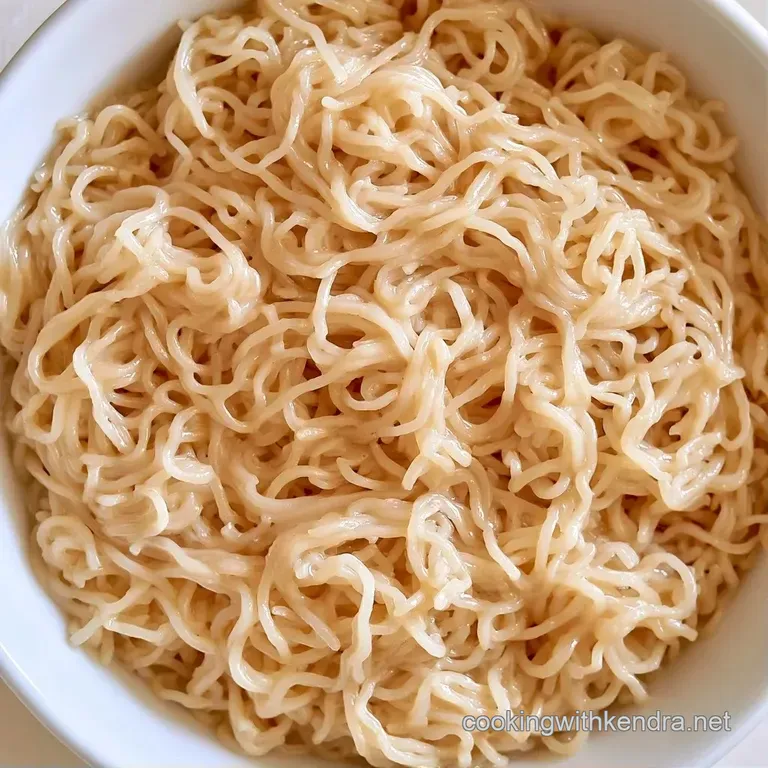
I've made a few mistakes with this Cold Rice Noodle Pasta over the years. One big one was adding the dressing while the noodles were still lukewarm. All the dressing just absorbed into the noodles, leaving the vegetables dry. Always ensure the noodles are fully chilled first.
Chef's Note: To get the colors to really pop, add the red cabbage last. If you toss it too hard or too early, the purple pigment can bleed and turn your white noodles a strange shade of lilac.
Another trick: toast your sesame seeds in a dry pan for 2 minutes before adding them. The aroma changes completely it goes from "raw seed" to "deeply nutty." It's a tiny step, but it's the difference between a home meal and something that feels professional.
Why Your Noodles Clump
If you find your noodles sticking together despite the rinse, it's usually because they weren't rinsed long enough. The starch is like a glue; you have to physically wash it off. If they've already clumped, a splash of rice vinegar and a gentle toss with tongs can usually break them apart.
Why Your Dressing Separates
Tahini is an emulsion of fats and solids. When you add acidic lime juice, it can sometimes "seize" and become thick and grainy. This isn't a failure it just needs more whisking or a teaspoon of warm water to bring it back to a smooth state.
| Problem | Root Cause | Solution |
|---|---|---|
| Gluey Noodles | Residual Starch | Rinse 30 seconds longer in cold water |
| Bland Taste | Low Salt/Acid | Add an extra squeeze of lime juice |
| Wilted Veggies | Noodles too hot | Chill noodles completely before mixing |
Common Mistakes Checklist
- ✓ Did you rinse the noodles in cold water?
- ✓ Is the tahini fully incorporated without lumps?
- ✓ Are the vegetables sliced thin enough to be flexible?
- ✓ Did you wait until the noodles were cold to add the dressing?
- ✓ Did you toast the sesame seeds for extra aroma?
Dietary Adaptations
If you're looking for a different vibe, this recipe is incredibly flexible. For those who want a different style of pasta salad, my Italian Pasta Salad is a great alternative, but for this specific Asian fusion profile, we want to keep the rice base.
Making it Fully Vegan
This recipe is almost there. The honey is the only animal product. You can easily swap it for maple syrup or agave nectar. The flavor profile stays exactly the same, and the consistency of the dressing doesn't change.
Boosting the Protein
To make this a more filling dinner, add some grilled shrimp or tofu. If you love a creamy texture with your protein, you might also enjoy my Velvety Chicken Pasta, though that's a warm dish. For this cold version, I recommend adding edamame or sliced chicken breast that has been chilled.
Reducing the Sodium
Swap the soy sauce for coconut aminos. It has a slightly sweeter taste and significantly less sodium. You might need an extra pinch of salt or a bit more lime juice to keep the flavors sharp.
Adjusting the Portion Size
When you're making this for a crowd, you can't just multiply everything by four and hope for the best. Spices and acids don't always scale linearly.
Scaling Down (1-2 servings): If you're cutting this in half, be careful with the sriracha. A tiny bit too much can overpower the delicate rice noodles. Use a measuring spoon rather than "eye balling" it.
You can use a smaller mixing bowl to ensure the dressing doesn't just coat the sides of the container.
Scaling Up (8+ servings): When doubling or tripling, increase the salt and sriracha to only 1.5x the original amount first. Taste it, then add more. Also, work in batches for the rinsing process.
If you put 2 lbs of noodles in one colander, the ones in the middle won't get chilled properly, and you'll end up with those dreaded clumps in your Cold Rice Noodle Pasta.
| Scale | Noodle Amount | Dressing Adjustment | Veggie Prep |
|---|---|---|---|
| Half | 4 oz | Exact half | Use a smaller bowl |
| Double | 16 oz | 1.5x spices/salt | Prep in larger batches |
| Quad | 32 oz | 2x spices/salt | Use a massive mixing bowl |
Common Misconceptions
One big myth is that you need to soak rice noodles for hours before cooking. While some thick varieties require this, the thin noodles used in this Cold Rice Noodle Pasta only need a few minutes of boiling. Soaking them for too long actually makes them more likely to break apart.
Another misconception is that "gluten-free" means "less flavor." In reality, the neutral taste of rice noodles is a huge advantage. It allows the bold flavors of the tahini and lime to take center stage without the "wheat" taste that sometimes interferes with light dressings.
Finally, some people think you should add the dressing while the noodles are hot so they "absorb" the flavor. In a hot pasta, yes. In a cold salad, no. Rice noodles become too soft if they absorb too much liquid while hot, destroying the texture.
Storage And Zero Waste
This dish keeps surprisingly well, but there's a trick to it. Store the dressed noodles and the raw vegetables in separate containers if you plan to eat them over three days. This keeps the carrots and cabbage from becoming soggy.
Fridge Life: The assembled Cold Rice Noodle Pasta lasts about 2-3 days in an airtight container. If the dressing thickens in the fridge, just stir in a teaspoon of water before serving. Freezing: Do not freeze this.
Rice noodles change texture completely when frozen, becoming grainy and brittle. The fresh vegetables will also lose all their snap.
- - Cabbage Cores
- Don't throw away the center of the cabbage. Shred it very finely and mix it into a slaw or freeze it for a future soup base.
- - Green Onion Ends
- Save the white root ends of the green onions in a small jar of water on your windowsill. They'll grow back in a week.
- - Carrot Peels
- If you peel your carrots, save the skins. Toss them with a bit of oil and salt and roast them at 400°F (200°C) for 5 minutes for a crunchy snack.
Serving And Visuals
To make this dish look like it came from a professional kitchen, focus on the color balance. We have the deep purple of the cabbage, the bright orange of the carrots, and the vivid green of the cilantro and onions.
The Plating Strategy: Don't just dump the noodles in a bowl. Use a twisting motion with your tongs to create a "nest" of noodles in the center of the plate. Arrange the sliced cucumbers around the edges to create a frame.
The Final Touch: Add the sesame seeds at the very last second. If they sit in the dressing for too long, they lose their crunch. A final squeeze of fresh lime juice right before the plate hits the table adds a glossy sheen and a fresh aroma that wakes up the whole dish.
Whether you're serving this as a light lunch or a side for grilled protein, the beauty of the Cold Rice Noodle Pasta is its versatility. It's fresh, bold, and satisfyingly crunchy. Now, stop reading and go get those noodles rinsing!
High in Sodium
840 mg 840 mg of sodium per serving (37% 37% of daily value)
The American Heart Association recommends a daily limit of no more than 2,300mg of sodium to reduce the risk of high blood pressure and heart disease.
Tips to Reduce Sodium
-
Skip Noodle Salt-25%
Eliminate the 1 tsp of salt from the boiling water; the flavorful sauce will provide ample seasoning for the noodles.
-
Low-Sodium Soy Swap-20%
Replace regular soy sauce with low-sodium soy sauce or coconut aminos to drastically reduce the salt content of the dressing.
-
Fresh Heat-10%
Swap the sriracha for freshly chopped chili peppers or red pepper flakes to get the same spice without the added sodium.
-
Increase Acidity-5%
Add an extra squeeze of fresh lime juice or a splash more rice vinegar to brighten the flavors, making the need for salt less noticeable.
-
Boost Fresh Aromatics
Increase the amount of fresh cilantro and green onions to add depth and complexity to the dish without adding any sodium.
Recipe FAQs
How to cook rice noodle disks at home?
Boil in salted water for 3 to 5 minutes. Follow the specific package instructions and immediately rinse under cold water to stop the cooking process.
Can I make this dish purely vegan?
Yes, this recipe is naturally vegan. All ingredients, including the creamy tahini dressing, are plant based and contain no animal products.
Is it true that rice noodles should be boiled for a long time to ensure they are soft?
No, this is a common misconception. Overcooking rice noodles makes them mushy; sticking to the 3 to 5 minute window ensures a perfect, chewy texture.
Why are my noodles sticking together?
You likely skipped the cold rinse. Rinsing under the coldest running water for 30 seconds is essential to remove excess starch that causes clumping.
How to store the leftover pasta for maximum freshness?
Store the dressed noodles and raw vegetables in separate containers. This prevents the cabbage and carrots from becoming soggy over 2-3 days in the fridge.
What flavors pair best with rice noodles?
Savory, umami rich sauces work best. If you enjoyed the balance of this tahini dressing, you can apply similar flavor layering principles to a restaurant style sauce.
Can I freeze this rice noodle dish?
No, avoid freezing these noodles. They become grainy and brittle when frozen, and the fresh vegetables lose their crisp texture.
Cold Rice Noodle Pasta