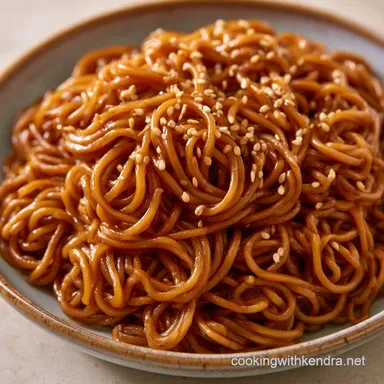
Sesame Garlic Lo Mein: Savory and Glazed
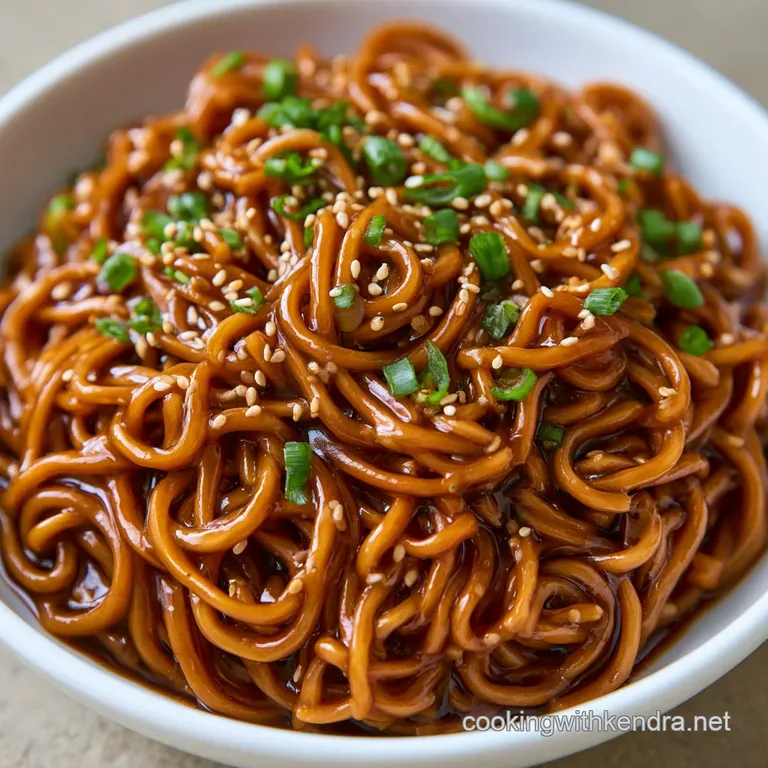
- Time: 15 min prep + 10 min cook = Total 25 mins
- Flavor/Texture Hook: Velvety, savory glaze with snap crisp vegetables
- Perfect for: High energy weeknights or a fast craving for takeout
That smell of toasted sesame oil hitting a hot pan is enough to make anyone's mouth water. It's that nutty, deep aroma that fills the kitchen and tells you that dinner is actually going to be great.
I remember the first time I tried to rush this, tossing everything in at once, and I ended up with a soggy mess of noodles and grey chicken. It was a total letdown.
The real win here is the speed. We're talking about a dish that feels like a feast but doesn't keep you trapped in the kitchen for hours. This Sesame Garlic Lo Mein delivers that restaurant style sheen and bold punch of garlic without the delivery fee or the hour long wait.
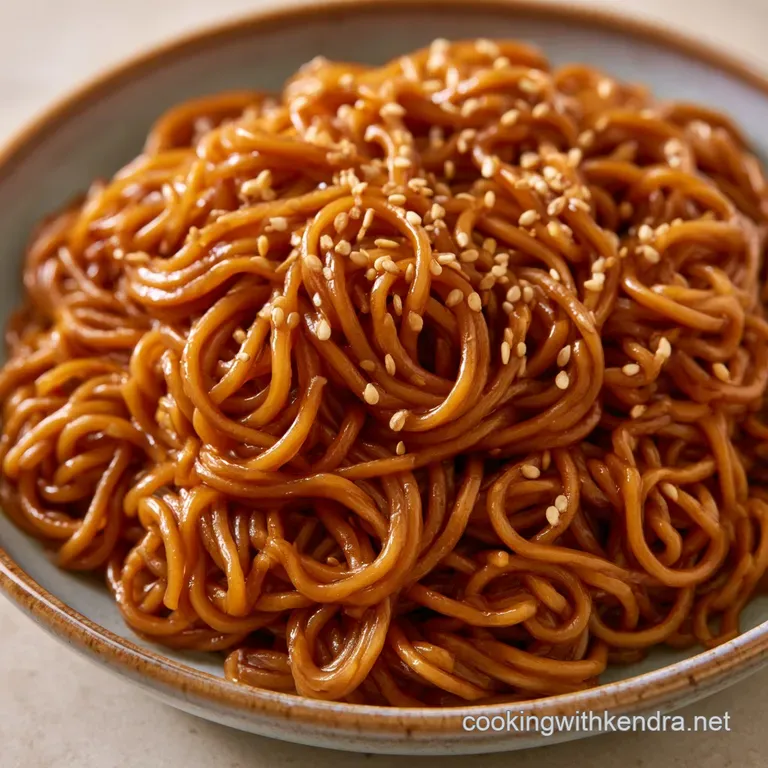
You can expect a dish where the chicken is seared and golden, the veggies still have a bit of a bite, and the sauce is thick enough to coat a noodle but thin enough to stay silky. Let's get into how to make this happen.
Sesame Garlic Lo Mein
The beauty of this recipe is in the timing. You aren't just cooking; you're managing heat. When that chicken hits the oil, you want a loud sizzle, not a gentle simmer. If the pan isn't hot enough, the meat steams, and you lose that dynamic, savory crust that makes the dish feel professional.
I've found that the order of operations is everything. By prepping the sauce first and searing the protein separately, you avoid the common trap of overcrowding the pan. When you crowd a pan, the temperature drops, and your "sear" becomes a "stew".
Trust me, the extra two minutes to remove the chicken before the veggies go in is what makes the difference.
This is a dish that rewards precision. From the way you slice the carrots into matchsticks to the exact moment you pull the noodles from the water, every little choice builds toward that final, stunning visual on the plate.
Why This Texture Works
Starch Suspension: Cornstarch binds the soy and sesame oil, creating a velvety glaze that clings to the noodles instead of pooling at the bottom.
Protein Searing: High heat creates a savory crust on the chicken, which provides a textural contrast to the soft noodles.
Al Dente Timing: Pulling the noodles a minute early prevents them from becoming mushy when they hit the hot sauce in the final toss.
Aromatic Flash: Searing the garlic last prevents it from burning, which would otherwise make the entire dish taste bitter.
| Method | Time | Texture | Best For |
|---|---|---|---|
| Stovetop Stir Fry | 10 mins | Charred & Glossy | Quick weeknight meals |
| oven-roasted Veg | 20 mins | Soft & Uniform | Large crowds / Meal prep |
Component Breakdown
| Ingredient | Science Role | Pro Secret |
|---|---|---|
| Cornstarch | Thickening Agent | Mix it into the cold sauce first to avoid clumps |
| Sesame Oil | Flavor Carrier | Add at the end or in the sauce to keep the nuttiness |
| Honey | Glaze Stabilizer | Provides the sticky sheen and balances the salt |
| Rice Vinegar | Acid Balance | Cuts through the fat of the oil for a bright finish |
The Ingredient List
For the sauce: - 1/2 cup soy sauce Why this? Provides the deep, salty base for the glaze (Substitute: Tamari for gluten-free) - 2 tbsp toasted sesame oil Why this? Adds that signature nutty, aromatic depth (Substitute: Peanut oil + toasted sesame seeds) -
1 tbsp honey Why this? Creates the glossy stickiness (Substitute: Brown sugar for a deeper molasses note) - 1 tbsp cornstarch Why this? Thickens the sauce into a glaze (Substitute: Arrowroot powder) - 1 tsp rice vinegar Why this?
Adds a subtle tang to balance the soy (Substitute: Apple cider vinegar) - 1 tsp freshly grated ginger Why this? Adds a zesty, fresh heat (Substitute: 1/2 tsp ground ginger)
For the stir fry: - 1 lb chicken breast, thinly sliced into strips Why this? Lean protein that sears quickly (Substitute: Sliced flank steak or firm tofu) - 8 oz lo mein noodles Why this? The traditional wheat noodle for the right chew (Substitute:
Spaghetti or linguine) - 2 cups shredded carrots Why this? Adds sweetness and a pop of color (Substitute: Julienne parsnips) - 2 cups snap peas, trimmed Why this? Provides a crisp, fresh snap (Substitute: Snow peas) - 1 red bell pepper, thinly sliced
Why this? Adds a mild sweetness and vibrancy (Substitute: Orange bell pepper) - 4 cloves garlic, minced Why this? The aromatic heart of the dish (Substitute: Garlic powder, though less punchy) - 2 tbsp vegetable oil Why this? High
Smoke point for searing (Substitute: Canola or Grapeseed oil) - 1 tbsp toasted sesame seeds Why this? Visual appeal and extra crunch (Substitute: Toasted white sesame seeds) - 3 stalks green onions, thinly sliced Why this? Fresh, sharp finish
(Substitute: Chives)
Gear You'll Need
You really want a wok if you have one, as the sloped sides are built for this kind of tossing. If not, a large cast iron skillet is the next best thing because it holds heat so well. You'll also need a sharp chef's knife to get those vegetables uniform, as uneven cuts mean uneven cooking.
I suggest using a whisk for the sauce to ensure the cornstarch is fully integrated. If you leave clumps of starch, you'll get weird, thick pockets of sauce on your noodles, which ruins the velvety experience.
Making the Dish
Whisk together soy sauce, toasted sesame oil, honey, cornstarch, rice vinegar, and grated ginger in a small bowl until the cornstarch is fully dissolved. Note: Doing this first prevents the sauce from separating during the fast cook.
Boil lo mein noodles according to package instructions, draining them 1 minute early to keep them al dente. Rinse immediately with cold water and set aside. Note: The cold rinse stops the cooking process and removes excess starch.
Heat 1 tbsp of vegetable oil over high heat in a wok or cast iron skillet. Add chicken strips in a single layer and sear undisturbed for 2 minutes until golden brown; flip and cook for another 2 minutes, then remove chicken from the pan.
Add the remaining vegetable oil to the pan. Stir fry carrots, snap peas, and sliced bell pepper for 3 minutes until they are bright and slightly tender. Stir in minced garlic and cook for 30 seconds until fragrant but not brown.
Return the cooked chicken and noodles to the pan. Pour the prepared sauce over the mixture and toss constantly for 2-3 minutes until the sauce thickens into a glossy glaze.
Garnish with toasted sesame seeds and sliced green onions before serving.
Fixing Common Issues
The most common frustration with this recipe is the texture of the noodles. If you overcook them in the water, they'll basically disintegrate once you add the sauce. It's all about that under cook.
Troubleshooting Common Issues
| Issue | Solution |
|---|---|
| Why Your Noodles Are Mushy | This usually happens because the noodles were boiled to full doneness before hitting the pan. Since they continue to cook in the sauce, you have to account for that carry over heat. |
| Why Your Sauce Is Too Thin | If the sauce doesn't glaze the noodles, it's often because the pan wasn't hot enough or the cornstarch wasn't whisked in properly. You can fix this by letting it simmer for another minute, but be care |
| Why Your Garlic Tastes Bitter | Garlic burns in seconds over high heat. If it turns dark brown or black, it develops a bitter edge that ruins the Sesame Garlic Lo Mein. Always add the garlic at the very end of the veggie sauté. |
Common Mistakes Checklist
- ✓ Slicing chicken against the grain for tenderness
- ✓ Rinsing noodles in cold water after boiling
- ✓ Removing chicken from pan before adding vegetables
- ✓ Whisking cornstarch into cold sauce to avoid lumps
- ✓ Adding garlic only in the final 30 seconds of sautéing
Customizing the Flavor
If you want to take this a step further, you can easily adapt the protein. Using shrimp or scallops makes for a more luxurious version, just be sure to sear them even faster than the chicken to avoid a rubbery texture.
For a plant based version, extra firm tofu pressed for 20 minutes and cubed works beautifully.
If you find yourself loving this style of cooking, you might want to explore my Lo Mein Sauce Recipe for other variations. You can also swap the carrots for bok choy or broccoli to change the nutritional profile and the crunch.
Adjusting the Heat
To make this spicy, add a tablespoon of Sriracha or a teaspoon of red chili flakes to the sauce whisking stage. If you prefer a more complex heat, use a dollop of Sambal Oelek.
Changing the Noodle
While lo mein noodles are the goal, you can use linguine in a pinch. Just remember that pasta often takes longer to boil, so keep a close eye on that al dente window.
Scaling the Portions
When doubling this recipe, don't just double the cornstarch and honey. Increase the liquids by 2x, but only increase the thickeners by about 1.5x. If you use a full 2x of cornstarch, the sauce can become too thick and gluey.
Also, work in batches for the chicken; if you put 2 lbs of meat in one pan, it will steam instead of sear.
Plating Your Creation
Since we're going for a modern, dynamic look, how you present the Sesame Garlic Lo Mein matters. You want the colors of the red pepper and green onions to pop against the dark, glossy noodles.
| Plating Level | Technique | Visual Goal |
|---|---|---|
| Simple | Rustic heap in a wide bowl | Homey, comforting, generous |
| Polished | Twirled noodles with centered protein | Clean, intentional, focused |
| Restaurant | High piled twist, bias cut greens, seed dusting | Stunning, architectural, high end |
For the restaurant look, use a carving fork to twirl the noodles into a tight cylinder before placing them in the center of the bowl. Arrange the chicken strips carefully around the base and finish with a precision dusting of toasted sesame seeds.
Storing and Scraps
This dish keeps well in the fridge for up to 3 days. To store, use an airtight container. When you reheat it, the sauce might have thickened too much, so add a tiny splash of water or broth before microwaving to loosen the glaze back into its velvety state.
I don't recommend freezing this, as the vegetables lose their snap and the noodles can become grainy. It's better to make it fresh or eat it within the 72 hour window.
Regarding zero waste, don't throw away your ginger peels or the ends of the green onions. I keep a "scrap bag" in the freezer for these items. Once it's full, I simmer them with some water and soy sauce to create a quick, aromatic vegetable stock for future stir fries.
Great Pairing Options
Since this is a bold, savory main, you want sides that either cut through the richness or complement the Asian Fusion profile. A simple smashed cucumber salad with rice vinegar and chili oil is the best contrast.
If you're looking for another protein to serve alongside it for a larger spread, my Teriyaki Chicken recipe is a fantastic companion. The sweetness of the teriyaki mirrors the honey in the lo mein, creating a cohesive theme for the meal.
You could also serve this with a side of steamed edamame or a light miso soup to round out the dinner. The key is to keep the sides fresh and light so the Sesame Garlic Lo Mein remains the star of the show.
Recipe FAQs
How to make lo mein?
Boil noodles until just al dente, then toss in a hot pan with sauce and proteins. Drain them one minute early and rinse with cold water to prevent overcooking during the stir fry process.
How to spice up bland lo mein noodles?
Whisk in extra grated ginger and minced garlic for a sharper flavor. For another bold flavor profile, try our teriyaki chicken bowls.
What are the differences between lo mein and chow mein?
Lo mein noodles are boiled and tossed, whereas chow mein are typically fried. This gives lo mein a soft, slippery texture while chow mein is crispier.
Why are my lo mein noodles mushy?
You likely boiled them to full doneness before adding them to the pan. Because noodles continue to cook in the sauce, you must drain them one minute early to maintain a firm texture.
Why is my sauce too thin?
The pan wasn't hot enough or the cornstarch wasn't whisked in properly. Ensure the cornstarch is fully dissolved in the soy sauce mixture and the pan is at high heat to create a glossy glaze.
How to store and reheat lo mein?
Keep in an airtight container in the fridge for up to 3 days. Add a tiny splash of water before microwaving to loosen the sauce back into a velvety state.
Is it true that lo mein should be frozen for long term storage?
No, this is a common misconception. Freezing causes the vegetables to lose their snap and the noodles to become grainy.
Sesame Garlic Lo Mein