Sesame Garlic Lo Mein: Savory and Glazed
Focused on aromatics, this dish relies on toasted sesame oil and fresh garlic to create a deep flavor profile without needing meat.
Sesame and Garlic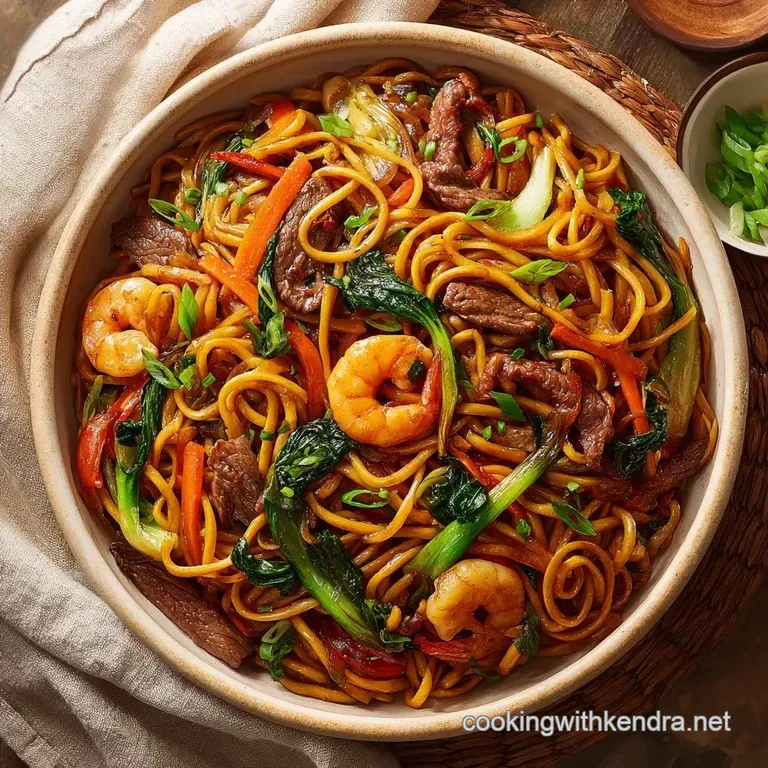
Lo mein shows up on weeknight tables for a reason—it bridges the gap between a cleaning-out-the-fridge meal and a restaurant-style dinner. Most of these recipes rely on a high-heat stir-fry and a balance of savory liquids to get that characteristic glossy finish.
Whether you're using traditional egg noodles or a pantry pasta substitute, these versions focus on simple techniques that work on any stovetop. By prepping your ingredients ahead of time, you can have a substantial meal ready in less time than it takes for a delivery driver to arrive.
These meatless versions prioritize fresh aromatics and crisp vegetables, providing a lighter alternative to protein-heavy dishes. Because they rely on pantry staples like soy sauce and garlic, they're often the fastest options to get on the table.
Focused on aromatics, this dish relies on toasted sesame oil and fresh garlic to create a deep flavor profile without needing meat.
Sesame and GarlicHigh-heat stir-frying keeps the bell peppers and snap peas bright and crunchy, making it a fast choice for meatless nights.
Loaded with VegetablesThe fastest option in the collection, these noodles use two types of soy sauce to build color and saltiness in one pan.
Ready in 15 MinutesAchieving a high-quality sear on beef and shrimp without overcooking the protein is the focus here. Both recipes use specific timing to ensure the meat stays tender while the noodles absorb the savory glaze.
This version uses large shrimp and a quick searing method to ensure the protein stays tender while the vegetables maintain a crisp texture.
Quick Shrimp OptionUtilizing the velveting technique, the beef remains exceptionally soft and absorbs the savory glaze for a result that mimics high-end takeout.
Tender Beef SlicesIf you don't have traditional egg noodles on hand, these recipes show how to use common pasta shapes as a reliable substitute. The sauces are formulated to cling to the smooth surface of spaghetti or linguine for a consistent bite.
Designed for family dinners, this recipe uses thin-sliced chicken breast that cooks through in minutes and pairs with a traditional dark sauce.
Family-Friendly ChickenThis pasta-based stir-fry uses oyster sauce to provide an umami-rich coating that clings perfectly to round noodles or thick spaghetti.
Umami-Rich Sauce| # | Recipes | Best For | Time | Difficulty | Protein Source |
|---|---|---|---|---|---|
| 1 | Sesame Garlic Lo Mein | Meatless weeknights | 25 min | Easy | None |
| 2 | Vegetable Lo Mein Stir Fry | Using up produce | 20 min | Easy | Vegetables |
| 3 | Soy Sauce Noodles | Maximum speed | 15 min | Easy | None |
| 4 | Shrimp Lo Mein | Seafood lovers | 30 min | Easy | Shrimp |
| 5 | Beef Lo Mein Recipe | Takeout-style beef | 30 min | Easy | Beef |
| 6 | Chicken Lo Mein Pasta | Easy family dinners | 30 min | Easy | Chicken |
| 7 | Classic Oyster Sauce Pasta | Simple pantry cooking | Time varies | Easy | None |
Discover more curated recipe collections
Explore more recipe collections →