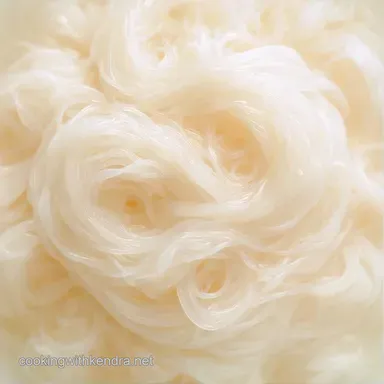
Homemade Gluten Free Rice Noodles: Bouncy and Silky
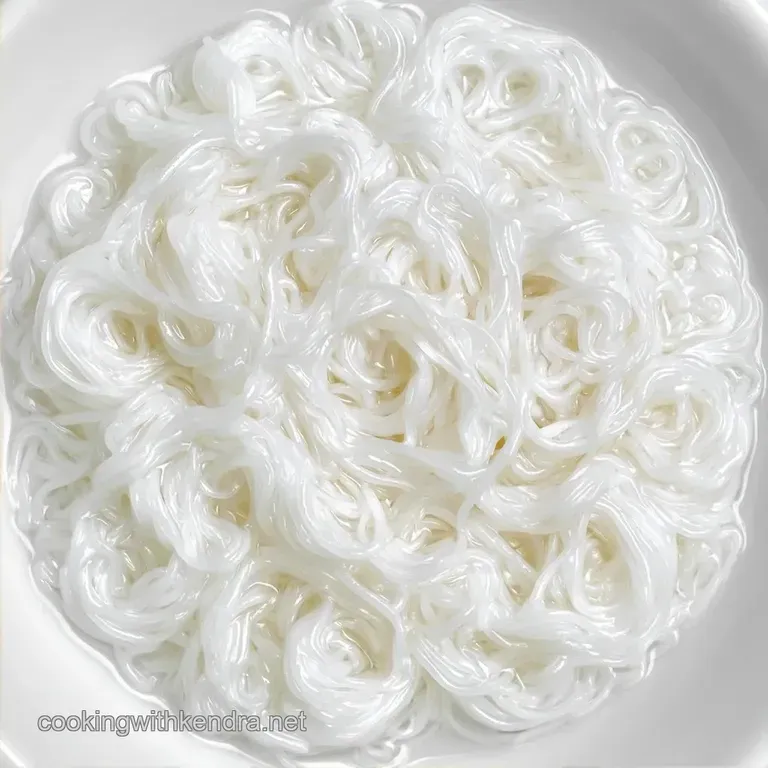
- Time: 15 min active + 20 min cook = Total 35 mins
- Flavor/Texture Hook: Silky, velvety, and slightly bouncy
- Perfect for: Gluten-free dinner guests or a dynamic Asian Fusion night
The scent of steaming rice is something that takes me straight back to the night markets of Bangkok. There is a specific, clean aroma that hits you when the vendor lifts a giant bamboo steamer, revealing those translucent, shimmering sheets of dough.
It is a cultural staple across Southeast Asia, where these noodles aren't just food, they are a canvas for bold, funky sauces.
I used to think buying the dried packs was fine, but they never had that specific "snap." Making them from scratch is a different world. You get this velvety texture that just clings to every drop of sauce, creating a meal that feels far more dynamic than anything from a plastic bag.
Whether you are craving a traditional Pad See Ew or something more modern, these gluten free Rice Noodles provide a base that handles heat beautifully. Trust me on this, once you taste the difference between a dried noodle and a fresh sheet, there is no going back.
Rice Noodles
What makes this version stand out is the balance of rice flour and tapioca. If you use just rice flour, the noodles are brittle and break the moment they hit the pan. The tapioca acts like a glue, giving the noodles that characteristic bounce we see in high end Asian Fusion cooking.
To get the best results, you need a over high heat environment but a gentle touch. The goal is to steam the batter into a thin, flexible skin. If you overcook it, you get a gummy mess. If you undercook it, the sheets will tear. It is all about that matte finish on the surface, which tells you the starch has set.
Since we are avoiding gluten, we have to rely on the gelatinization of the starches. This is why the resting period is so important. It allows the flour to fully hydrate, ensuring there are no gritty pockets of dry powder in your final product.
These free rice noodles are a joy to work with once you get the rhythm down.
What Makes the Texture Work
Starch Grip: The tapioca starch creates a cross linked network that holds the rice flour together, preventing the noodles from shattering under the fork.
Steam Set: Rapid steaming locks the moisture into the starch, creating a cohesive sheet rather than a porridge.
Cold Shock: An immediate ice bath stops the cooking process and firms up the exterior, which keeps them from sticking.
| Method | Time | Texture | Best For |
|---|---|---|---|
| Stovetop Steaming | 20 mins | Silky & Bouncy | Stir fries and soups |
| Oven Baking | 40 mins | Firmer & Denser | Cold noodle salads |
Component Analysis
| Ingredient | Science Role | Pro Secret |
|---|---|---|
| Rice Flour | Bulk Structure | Use superfine to avoid a grainy mouthfeel |
| Tapioca Starch | Elasticity | Don't skip this or the noodles will break |
| Water | Hydration | Room temp ensures the starch mixes evenly |
The Essential Parts
For these free rice noodles, precision is everything. I recommend using a digital scale because a "cup" of rice flour can vary wildly depending on how packed it is.
- 1 cup (130g) superfine rice flour Why this? Prevents graininess in the batter
- 1/4 cup (30g) tapioca starch Why this? Provides the essential "chew"
- 1 1/2 cups (355ml) room temperature water Why this? Keeps the starch stable
- 1/2 tsp (3g) fine sea salt Why this? Basic flavor enhancement
- 1 tbsp (15ml) neutral oil Why this? Stops the sheets from sticking
| Original Ingredient | Substitute | Why It Works |
|---|---|---|
| Tapioca Starch | Cornstarch | Similar binding. Note: Result is slightly firmer and less "bouncy" |
| Rice Flour | Glutinous Rice Flour | More starch. Note: Creates a very sticky, mochi like noodle |
If you're in a rush, my Soy Sauce Noodles use a faster method with pre made noodles, but for a special night, the fresh route is unbeatable.
Gear You Will Need
You don't need a fancy noodle machine for this. A simple non stick skillet and a lid that fits tightly are your best friends here. I also suggest a fine mesh sieve. If you leave any lumps in the batter, you'll end up with "beads" in your noodles, which ruins the visual appeal.
A sharp knife and a cutting board are essential for the slicing phase. I usually use a bench scraper or a wide chef's knife to get clean, straight lines. If the knife is dull, you'll just squish the noodles instead of cutting them.
Steps From Prep to Plate
- Whisk together the rice flour, tapioca starch, and salt in a mixing bowl.
- Slowly pour in the water, whisking vigorously until the batter is completely smooth and free of lumps.
- Strain the mixture through a fine mesh sieve to ensure a velvety texture and let the batter rest for 10 minutes. Note: This is a precision checkpoint; don't skip the rest!
- Line the bottom of an 8 inch non stick skillet with parchment paper and lightly grease it with a drop of oil.
- Pour in about 1/2 cup (120ml) of batter, swirling the pan to create a thin, even layer.
- Cover with a tight lid and steam over medium heat for 3–5 minutes until the surface looks matte and the sheet peels away from the edges.
- Lift the steamed sheet onto a cutting board, lightly oil a knife, and slice the sheet into desired strips. Note: Use thin strips for vermicelli or wide strips for kwetiau.
- Toss the strips immediately in a bowl of ice water for 30 seconds, then drain and pat dry. Note: This cold shock is a precision checkpoint to stop the cook.
Chef's Tip: If you want some of those noodles to have a "shatter" effect, deep fry a small portion of the finished strips for 1 minute until they puff up. Use them as a garnish!
Common Fixes and Mistakes
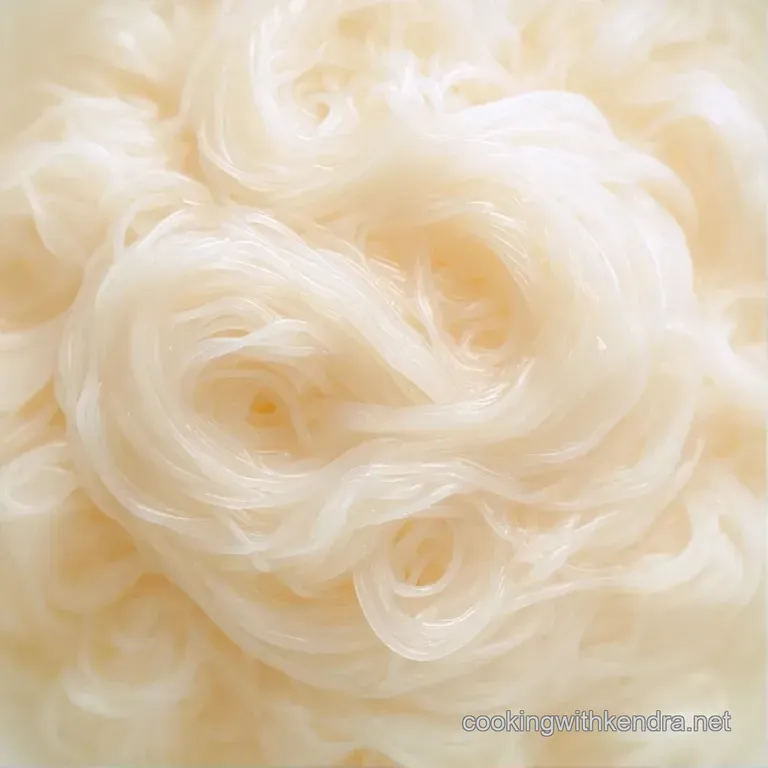
Troubleshooting Common Issues
| Issue | Solution |
|---|---|
| Why Your Noodles Are Mushy | This usually happens if the lid isn't tight enough, causing the water to evaporate too slowly and "boil" the batter rather than steaming it. Make sure your lid creates a seal. |
| Why Your Noodles Break | If they snap during stir frying, your starch ratio is likely off. Ensure you are using exactly 30g of tapioca starch to give the rice flour enough support. |
| Why They Stick Together | Skipping the ice bath is the biggest culprit here. The cold water washes off excess surface starch that otherwise acts like glue. |
Mistakes Checklist
- ✓ Did you use superfine rice flour?
- ✓ Was the batter strained?
- ✓ Did the batter rest for 10 minutes?
- ✓ Was the ice bath used immediately?
Tweaking for Your Diet
If you are making these for different needs, the base remains the same since they are naturally wheat free.
- For Vegan Rice Noodle Recipes: These are already vegan! Just ensure your neutral oil is plant based (like grapeseed or avocado oil).
- For Healthy Rice Noodle Recipes: You can replace half of the water with unsweetened coconut water for a subtle tropical hint and a tiny boost in minerals.
- For Quick gluten free Rice Noodles: Instead of steaming multiple sheets, you can pour the batter into a larger flat pan if you have a steamer insert that fits.
If you're looking for a hearty meal, toss these with a Sauce in 10 Minutes recipe for a dynamic finish that highlights the noodle's bounce.
Adjustment Guide
Scaling Down (Half Batch) Use a smaller 6 inch skillet. Reduce the steaming time by about 1 minute since the volume is lower. Use a small bowl for the ice bath to save water.
Scaling Up (Double Batch) Do not double the batter in one pan; you'll end up with a thick cake instead of a sheet. Work in batches. Keep the batter covered while you steam the first few sheets so it doesn't develop a skin.
Noodle Myths Rinsing noodles in cold water "washes away the flavor." This is false. It removes surface starch, which prevents the noodles from becoming a sticky clump in your pan.
Rinsing also "stops the flavor." Actually, it preserves the texture. Without the shock, carryover heat continues to cook the starch, leading to a mushy result.
Storage and Waste Tips
Storage Guidelines Store fresh Rice Noodles in an airtight container with a drizzle of oil to prevent sticking. They stay fresh in the fridge for 3 days. For the freezer, flash freeze them on a tray first, then move them to a bag for up to 2 months.
Zero Waste If you have leftover batter, don't toss it. Pour it into a hot pan to make a savory rice pancake. Top it with a fried egg and some scallions for a quick breakfast.
Best Pairing Suggestions
These noodles are a blank canvas. For a bold look, pair them with a spicy Thai basil stir fry or a creamy coconut curry.
Plating Levels
| Level | Technique | Visual Goal |
|---|---|---|
| Simple | Casual bowl, tossed with sauce | Homey and inviting |
| Polished | Tightly coiled, topped with fresh cilantro | Clean and organized |
| Restaurant | High stack, micro greens, chili oil drizzle | Dynamic and stunning |
To finish the dish, I love adding a handful of crushed peanuts and a squeeze of fresh lime. It cuts through the richness of the starch and adds a bright, professional contrast to the plate.
Recipe FAQs
Are all rice noodles gluten-free?
Generally, yes. Pure rice noodles made from rice flour and starch are gluten-free, though you should always check commercial labels for added wheat flour.
Are rice noodles ok for diabetics?
They can be, but monitor portions. Rice flour has a high glycemic index, so pairing these noodles with plenty of protein and vegetables helps stabilize blood sugar.
Which noodles are best for high cholesterol?
Rice noodles are an excellent choice. They are naturally cholesterol free and low in saturated fats compared to many cream based pasta alternatives.
How to cook a pad thai noodle disk at home?
Pour 1/2 cup of batter into a greased 8 inch non-stick skillet. Cover with a tight lid and steam over medium heat for 3 5 minutes until the surface looks matte.
What are some easy Asian noodle dishes to make at home?
Stir fries and quick soups are the simplest. You can toss these fresh noodles in a homemade lo mein sauce for a fast, restaurant quality meal.
What type of food goes best with rice noodles?
Light, aromatic flavors and fresh proteins. They pair perfectly with lime, fish sauce, crushed peanuts, and grilled shrimp or tofu.
Is it true that adding more oil to the pan is the only way to stop noodles from sticking?
No, this is a common misconception. Skipping the ice bath is the primary cause of sticking, as the cold water is required to wash off excess surface starch.
Homemade Rice Noodles