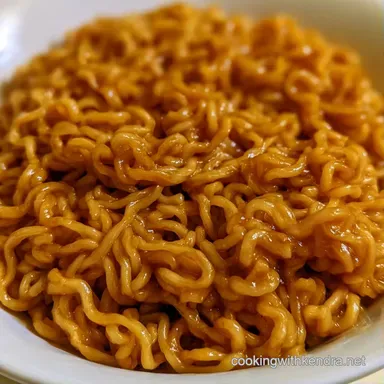
Sesame Ramen Pasta Dish: Savory and Glossy
- Time: 5 min active + 10 min cook = Total 15 minutes
- Flavor/Texture Hook: Nutty, glossy, and slippery with a hit of chili heat
- Perfect for: A high energy weeknight dinner or a quick "desk side" feast
The scent of toasted sesame oil hitting a hot pan is, for me, the ultimate signal that dinner is actually happening. It's that specific, nutty sizzle that fills the kitchen and immediately makes everything feel like a professional Asian fusion spot.
I remember the first time I tried a "dry" ramen in a small shop in Osaka, where the noodles weren't swimming in broth but were instead coated in this thick, shimmering glaze. It changed how I viewed instant noodles forever.
Most of us grew up seeing ramen as a cheap dorm room staple, but the cultural heart of the dish is all about the balance of salt, fat, and acid. By treating the noodles as a pasta base rather than a soup component, we can lean into those bold, concentrated flavors.
This isn't just about convenience, it's about creating a dynamic contrast between the soft noodles and the sharp, fresh bite of green onions.
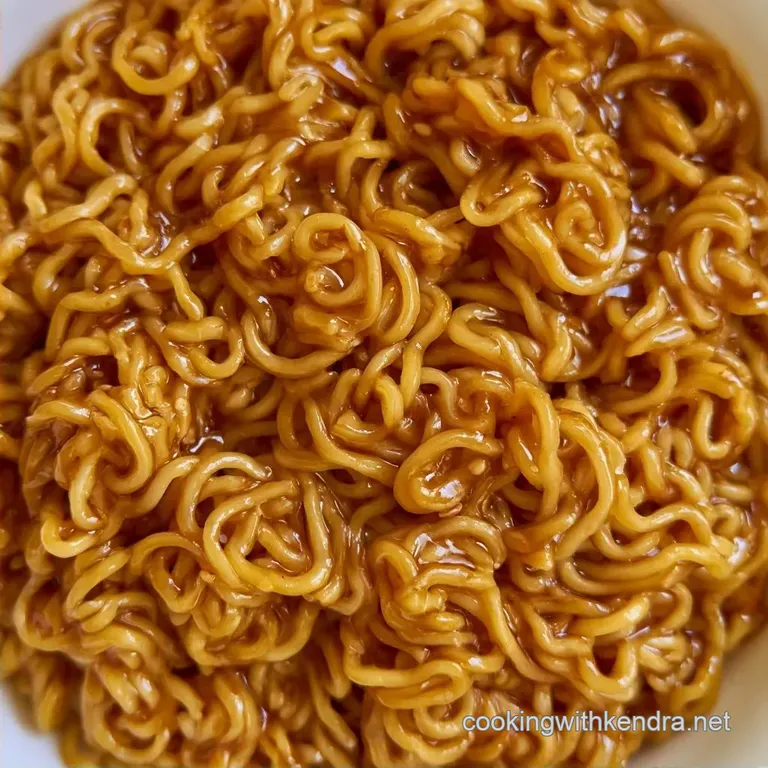
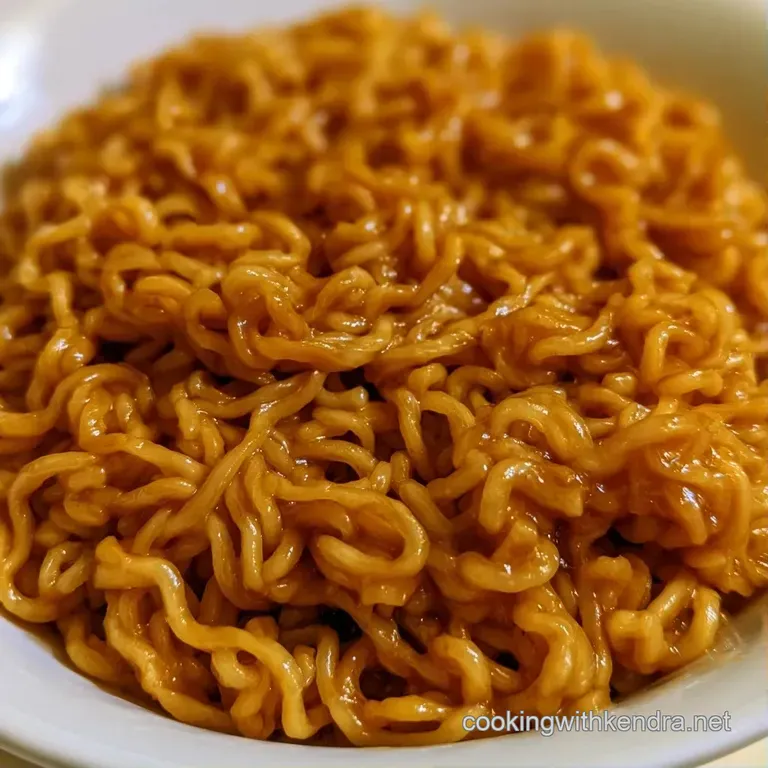
You can expect a meal that feels stunning on the plate but takes almost no effort to pull off. Making this Sesame Ramen Pasta Dish is all about timing. We're aiming for a specific "cling" where the sauce doesn't pool at the bottom of the bowl but instead wraps around the noodles like a velvet coat.
It's fast, it's bold, and it's honestly a bit addictive.
Sesame Ramen Pasta Dish
Let's talk about what's actually happening in the pan, because this isn't just mixing things together. There's a reason this specific combination of ingredients creates that restaurant style gloss.
The Starch Bridge: By reserving a bit of the boiling water, we're adding gelatinized starch back into the sauce. According to Serious Eats, this starch acts as an emulsifier, helping the oil and soy sauce bind together instead of separating.
Aromatic Blooming: Sautéing the garlic and ginger in sesame oil first "blooms" the aromatics. This means the heat releases fat soluble flavor compounds that wouldn't be as potent if you just stirred them into a cold sauce.
The Sugar Grip: Maple syrup doesn't just add sweetness, it provides viscosity. As it simmers, it thickens, allowing the sauce to adhere to the smooth surface of the ramen noodles.
Acid Balancing: The rice vinegar cuts through the heavy fats of the sesame oil and egg yolks. This creates a "brightness" that prevents the dish from feeling too heavy on the palate.
| Tool/Method | Cook Time | Texture | Best For |
|---|---|---|---|
| Carbon Steel Wok | 8-10 mins | Charred & Smoky | over High heat searing |
| Non Stick Skillet | 10-12 mins | Evenly Coated | Beginners/Consistent heat |
| Stainless Steel | 12-15 mins | Slightly Nutty | Deep sauce reduction |
Component Analysis
| Ingredient | Science Role | Pro Secret |
|---|---|---|
| Ramen Noodles | Starch Base | Undercook by 1 min to prevent mush |
| Toasted Sesame Oil | Flavor Carrier | Use only for finishing or over low heat |
| Maple Syrup | Glazing Agent | Adds a deeper, woodier note than sugar |
| Rice Vinegar | pH Balancer | Cuts the "greasiness" of the oil |
Gathering Your Supplies
For your Sesame Ramen Pasta Dish, you'll want a few specific things. Don't bother with the low-fat soy sauce options here, as the salt and depth are what make the glaze work.
The Base - 2 packs (160g) ramen noodles Why this? Firm texture holds the sauce better - 4 cups (950ml) water
The Sesame Garlic Sauce
- 2 tbsp (30ml) toasted sesame oilWhy this? Intense nutty aroma
- 3 cloves (15g) garlic, minced
- 3 tbsp (45ml) soy sauceWhy this? Primary salt and umami source
- 1 tbsp (15ml) maple syrupWhy this? Creates the glossy sheen
- 1 tsp (5ml) rice vinegarWhy this? Adds necessary sharpness
- ½ tsp (2.5g) ground gingerWhy this? Adds a warm, peppery undertone
The Garnish & Protein
- 2 large eggsWhy this? Creamy richness to balance salt
- 2 stalks (30g) green onions, thinly sliced
- 1 tbsp (8g) toasted sesame seeds
- 1 tsp (5ml) chili oilWhy this? Dynamic heat and color
Necessary Kitchen Tools
You don't need a professional kitchen for this, but a few things make it way easier. I personally use a wide non stick skillet because it gives me more room to toss the noodles without them flying everywhere.
First, a medium pot for the noodles is essential. You want enough room for the water to roll without overflowing. Then, a large skillet or a wok for the sauce. If you have a wok, you'll get a bit more "breath" in the dish, but a skillet is perfectly fine.
Finally,, have a pair of tongs or a fork ready. You'll be doing a lot of vigorous tossing in the final minute, and you want to be able to move the noodles quickly so they don't overcook in the pan.
From Prep to Plate
Right then, let's get into the actual cooking. The secret here is the "under boil." If you cook the noodles fully in the pot, they'll turn into mush the second they hit the sauce.
- Bring water to a rolling boil in a medium pot. Add ramen noodles and cook for 1 minute less than package instructions. Note: This keeps them "al dente" for the final toss
- Reserve 2 tbsp (30ml) of the starchy pasta water before draining. Note: This is your secret weapon for the sauce
- Place a large skillet or wok over medium heat and add toasted sesame oil.
- Once shimmering, add minced garlic and ground ginger; stir fry for 30-60 seconds until fragrant and pale gold.
- Reduce heat to medium low. Stir in soy sauce, maple syrup, rice vinegar, and the reserved pasta water.
- Simmer for 1-2 minutes until the sauce thickens and becomes glossy.
- Add the drained noodles to the skillet and toss vigorously for about 60 seconds until the noodles are thoroughly coated.
- Divide the noodles between two bowls.
- Top with prepared eggs, sliced green onions, toasted sesame seeds, and chili oil.
Chef's Note: If you're making the eggs soft boiled, drop them into the boiling noodle water for exactly 6 minutes and 30 seconds, then plunge them into ice water. This gives you that jammy, stunning visual.
Avoiding Common Mishaps
When making the Sesame Ramen Pasta Dish, the most common issues usually come down to heat management. Garlic is temperamental; it goes from "fragrant" to "bitter and burnt" in about five seconds.
Troubleshooting Common Issues
| Issue | Solution |
|---|---|
| Why Your Noodles Are Mushy | This usually happens because of "double cooking." If you boil the noodles to completion and then simmer them in the sauce, they lose their structure. |
| Why Your Garlic Tastes Bitter | Burnt garlic is the fastest way to ruin this recipe. If the oil is smoking before the garlic goes in, it's too hot. Keep the heat at medium and stir constantly. |
| Why Your Sauce Is Too Thin | If the sauce doesn't cling to the noodles, you likely skipped the pasta water or didn't simmer the sauce long enough. That 2 minute simmer is where the maple syrup does its magic. |
Common Mistakes Checklist
- ✓ Did you reserve the pasta water before draining?
- ✓ Is the garlic pale gold and not dark brown?
- ✓ Did you pull the noodles 1 minute early?
- ✓ Did you toss the noodles for a full 60 seconds to emulsify?
Adjusting Your Batch Size
If you're cooking for a crowd or just yourself, you can't always just multiply everything by four. Liquids and fats behave differently in larger volumes.
Scaling Down (1 serving): Use a smaller pan to prevent the sauce from evaporating too quickly. Use 1 egg and halve all seasonings. I recommend beating one egg and using half of it if you want a precise ratio.
Scaling Up (4 servings): Don't quadruple the salt or spices; start with 2x or 3x and taste as you go. According to USDA FoodData, sodium levels in soy sauce are high, and too much can easily overpower the dish. Work in batches if your skillet is too small, or the noodles will steam instead of fry.
If you're looking for more ways to use these ingredients, you might like my soy sauce noodles which use a similar base but a different flavor profile.
Ramen Truths
There's a common belief that you need an expensive, 24 hour broth to make "real" ramen. Honestly, that's only true if you're making a soup. For a pasta style dish, the broth is irrelevant, and the focus shifts entirely to the glaze and the noodle texture.
Another myth is that instant ramen noodles are tasteless. While the flavor packets are often just salt and MSG, the noodles themselves are alkaline, which gives them that specific springy texture that regular pasta lacks. This alkalinity is what makes them pair so well with rich, fatty sauces.
Storage Guidelines
This Sesame Ramen Pasta Dish is best enjoyed immediately, but it can be stored if you've overshot your portions.
Fridge: Keep in an airtight container for up to 3 days. The noodles will absorb more sauce as they sit, so it will be thicker and more intense.
Freezing: I don't recommend freezing this. The noodles break down and become grainy, and the emulsified sauce will separate, leaving you with an oily mess.
Zero Waste: Don't throw away those green onion roots! Put them in a glass of water on your windowsill and they'll regrow in a week. Also, if you have leftover sesame oil or soy sauce, you can use them to whip up a quick Sauce in 10 Minutes recipe for your veggies tomorrow.
Serving Suggestions
Since this dish is so dynamic and visually striking, it's great for a "fake out takeout" night. If you're serving this for a special occasion, focus on the presentation. Use deep, dark bowls to make the colors of the green onions and chili oil pop.
For a more balanced meal, I love serving this with a side of steamed bok choy or a crisp cucumber salad. The coolness of the cucumbers provides a great counterpoint to the warmth of the sesame garlic sauce. If you're feeling extra, add a sprinkle of toasted nori strips on top for an extra hit of ocean salty umami.
This Sesame Ramen Pasta Dish is all about those layers of flavor, so don't be afraid to go heavy on the garnishes.
Critical in Sodium
2450 mg 2450 mg of sodium per serving (107% 107% of daily value)
The American Heart Association recommends a limit of 2,300mg of sodium per day for most adults to maintain heart health.
Tips to Reduce Sodium
-
Switch the Noodles-25%
Use low-sodium fresh ramen noodles or a brand specifically labeled as low-salt; avoid using any included seasoning packets.
-
Swap the Soy Sauce-20%
Replace regular soy sauce with low-sodium soy sauce or coconut aminos for a similar savory flavor with much less salt.
-
Increase Acidity-10%
Double the rice vinegar or add a squeeze of fresh lime juice to enhance the flavors and trick your palate into needing less salt.
-
Amp Up Aromatics
Increase the amount of fresh minced garlic and ground ginger to add bold, natural flavor without adding any sodium.
Recipe FAQs
Can I use spaghetti instead of ramen noodles?
Yes, though the texture differs. Spaghetti is thicker and does not absorb the sesame sauce as quickly as ramen noodles do.
What goes well with sesame ramen?
Fresh steamed vegetables or grilled proteins. To add more depth, you can stir in a dollop of my umami packed XO sauce for a savory kick.
How to make the best bowl of ramen noodles?
Boil noodles for one minute less than package instructions. Reserve 2 tbsp of pasta water, stir fry garlic and ginger in sesame oil, and toss the noodles in the sauce for 60 seconds.
What are some other easy Asian noodle dishes to make at home?
Try stir fried Lo Mein or Chow Mein. These dishes use similar high heat techniques to sear aromatics and coat noodles in a glossy glaze.
Is it true that boiling ramen fully before adding sauce is best?
No, this is a common misconception. Boiling noodles to completion before simmering them in the sauce causes "double cooking," which destroys the noodle structure.
How to make ramen noodles without eggs?
Omit the prepared eggs from the final topping step. Since eggs are used only as a garnish in this recipe, simply leave them out.
Why are my ramen noodles mushy after cooking?
You likely overcooked the noodles. This occurs if you boil them fully and then simmer them in the sauce for too long.
Sesame Ramen Pasta Dish